Guide
Medellín in one day
One day in Medellín covers a surprising amount, as long as you accept one thing: you have to choose. This is the route that work…
Read the guide →Paisa food is heavy, cheap and not remotely subtle. It makes more sense once you accept two things: lunch is the main meal of the day, and portions are sized for someone who has been working since five in the morning.
Updated 2026-10-12
Related tour: Medellín City Tour · USD $110 per vehicle, up to 4 people Book WhatsApp
Beans, rice, ground beef, pork crackling, sausage, blood sausage, a fried egg, fried plantain, an arepa and avocado. On one plate. It is not a tourist exaggeration — people genuinely eat this, just not every day. Real advice: order one between two, or ask for a bandeja pequeña, which most restaurants have and none advertise.
The menú del día is the most useful institution in the country: soup, a main, fresh juice and sometimes dessert, usually for the equivalent of three to five dollars in a neighbourhood place. Mondongo, chicken sancocho and beans are the weekend classics. And the arepa: here it is thin, unsalted and works as a side rather than a dish. The arepa de choclo — sweet corn, with soft cheese — is the one you eat on its own.
Mazamorra is corn cooked in milk, served cold with unrefined cane sugar, and it is as paisa as things get. Buñuelos and natilla belong to December but you will find them all year. To drink: fruit juices made with water or milk, coffee everywhere — Medellín only started drinking its own good coffee recently, since the decent stuff used to be exported — and aguardiente antioqueño if the night turns serious.
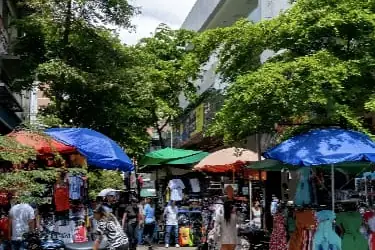
Lulo, guanábana, mangosteen, granadilla, zapote, borojó, cape gooseberry, tree tomato. Any market will let you taste them. Granadilla looks like an egg full of seeds and is one of the best things here. Lulo juice is the flavour most travellers end up hunting for once they are home.
Provenza and El Poblado concentrate the chef-driven places and the high prices; Laureles and Envigado offer the same quality at half the cost with more locals around; downtown is the land of the set lunch and the restaurants that have been there forever. The produce markets — La Minorista, the one in Envigado — are the cheapest good food in the city and work much better with someone explaining what you are looking at.
Ask Helbert: instant answers on prices, timings and what fits together in one day.
One day in Medellín covers a surprising amount, as long as you accept one thing: you have to choose. This is the route that work…
Read the guide →Choosing a neighbourhood in Medellín shapes your trip more than choosing a hotel. These are the four that make sense for someone…
Read the guide →The Feria de las Flores is the week Medellín goes fully out: ten days of events that end with thousands of farmers carrying sixt…
Read the guide →Many people arriving in Medellín want to see Colombian coffee and think first of the Coffee Region (Eje Cafetero). Before decidi…
Read the guide →Medellín has plans that are especially good for two: flying over the valley, watching the city light up from a hill, or spending…
Read the guide →